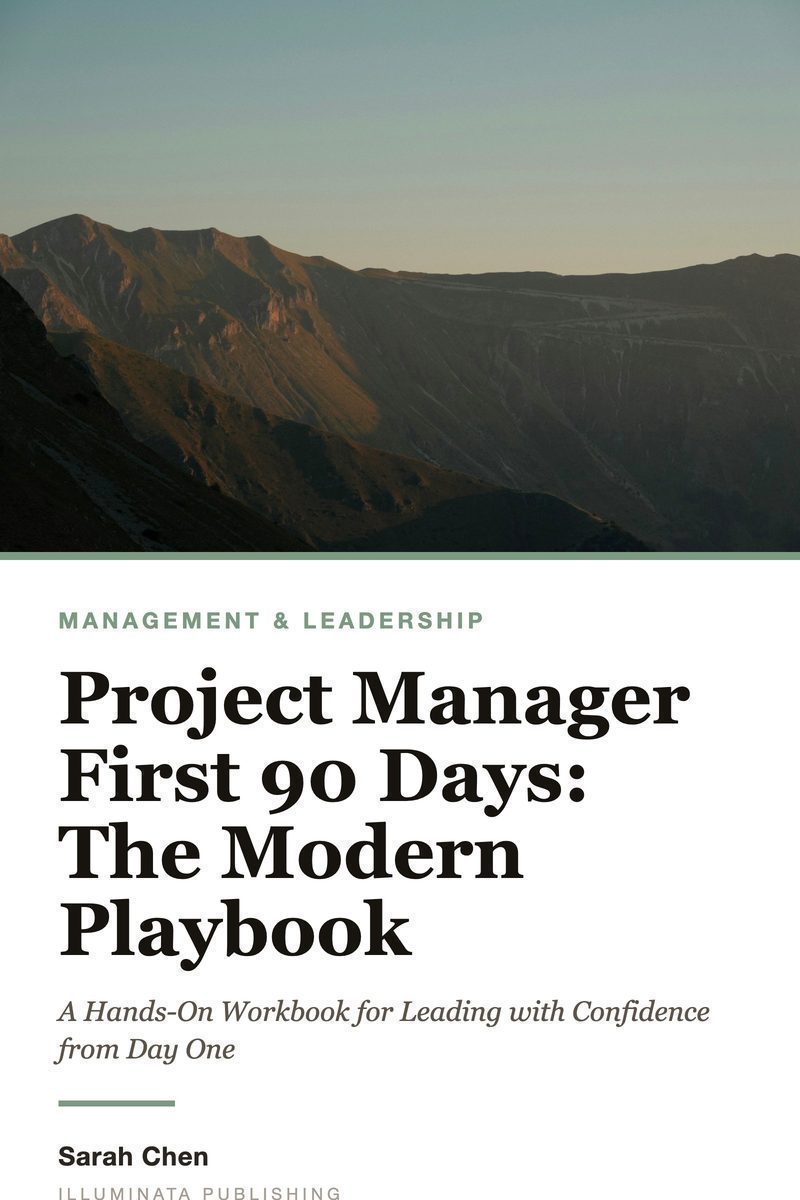
Project Manager First 90 Days: The Modern Playbook
- Self-awareness is the foundation of effective leadership—knowing your style helps you adapt to different team dynamics.
- Past challenges reveal your leadership patterns; use them as data, not judgment.
- Your communication style shapes team culture; lean into your strengths while staying open to flexibility.
Read Chapter 1 free
Pre-Launch: Getting Ready Before Day One — read it here, no signup
Before you can lead anyone, you need to understand the landscape. The most successful project managers don't just show up on day one ready to work—they show up ready to understand. Mapping your new territory means gathering the intelligence, context, and relationships that will inform every decision you make in your first ninety days.
Start by going beyond the job description. Request organizational charts, recent project retrospectives, and any available documentation about ongoing initiatives. But don't stop at the documents—talk to people. Schedule brief conversations with team members, key stakeholders, and anyone who has context about the projects you'll be inheriting. Pay attention to what's not being said: the tensions, the history, the unspoken priorities. This is the real terrain you'll be navigating.
Your new role exists within a complex web of relationships and expectations. Identify who holds influence versus authority, and note where priorities might conflict. Are there ongoing projects that are struggling? Teams that have been at odds? Budget constraints that everyone knows about but no one discusses openly? These details won't appear in your onboarding packet, but they'll shape your success more than any org chart could.
Create a simple matrix: Who are your key stakeholders? What do they care about most? What are their communication preferences? What does success look like from their perspective? This isn't just homework—it's the foundation for every difficult conversation you'll have in your first month.
The best project managers anticipate problems before they materialize. In your first two weeks, identify the three most likely risks to your projects and the three most likely risks to your team dynamics. Then identify who would warn you if things started going sideways. These are your early warning contacts—people who will give you honest feedback when everyone else is still polishing their status updates.
Before day one, complete this mapping exercise:
1. What are the top three priorities your new organization is focused on right now? 2. Who are the five people you most need to build trust with in your first thirty days? 3. What recent project failures or challenges should you understand to avoid repeating mistakes? 4. What cultural norms exist that aren't written in any handbook? 5. What resources (budget, tools, team capacity) are you inheriting versus what you were told you'd have?
1. _______________________________________________________
2. _______________________________________________________
3. _______________________________________________________
4. _______________________________________________________
5. _______________________________________________________
Key Takeaways
Before you step into your first day as a project manager, you need more than just a calendar and a to-do list. Your leadership toolkit is the collection of skills, mindsets, and self-awareness practices that will carry you through every challenge ahead. The best project managers don't just manage tasks—they lead people, navigate ambiguity, and build trust quickly. This exercise helps you take stock of what you're bringing to the table and where you might need to grow.
The most effective leaders understand themselves first. They know their natural communication style, their default stress responses, and how they show up under pressure. This isn't about personality typing or overanalyzing yourself—it's about practical awareness that lets you lead authentically rather than模仿ing someone else's approach.
Complete this assessment honestly. There are no right or wrong answers—only honest observations that will help you hit the ground running.
1. Reflect on your most significant professional achievement. What specific leadership qualities helped you succeed? Name at least three. 2. Think of a time a project or initiative didn't go as planned. How did you respond, and what did that teach you about your conflict style? 3. Consider your default communication mode: do you tend to be direct and decisive, or more collaborative and consensus-driven? How might each serve you—or challenge you—in a new leadership role? 4. Identify one leadership skill you're genuinely excited to develop in your first 90 days. What makes you confident you can grow in this area?
________________________________________________________________
________________________________________________________________
________________________________________________________________
________________________________________________________________
About this book
Project Manager First 90 Days: The Modern Playbook A Hands-On Workbook for Leading with Confidence from Day One Category: Self Improvement | Author: Sarah Chen Are you ready to transform your knowledge and take action? This comprehensive guide delivers practical, step-by-step strategies you can impl